

Strength training for women over 40: where to start
Why strength is one of the best investments in your health during perimenopause and menopause, and how to start without fear.
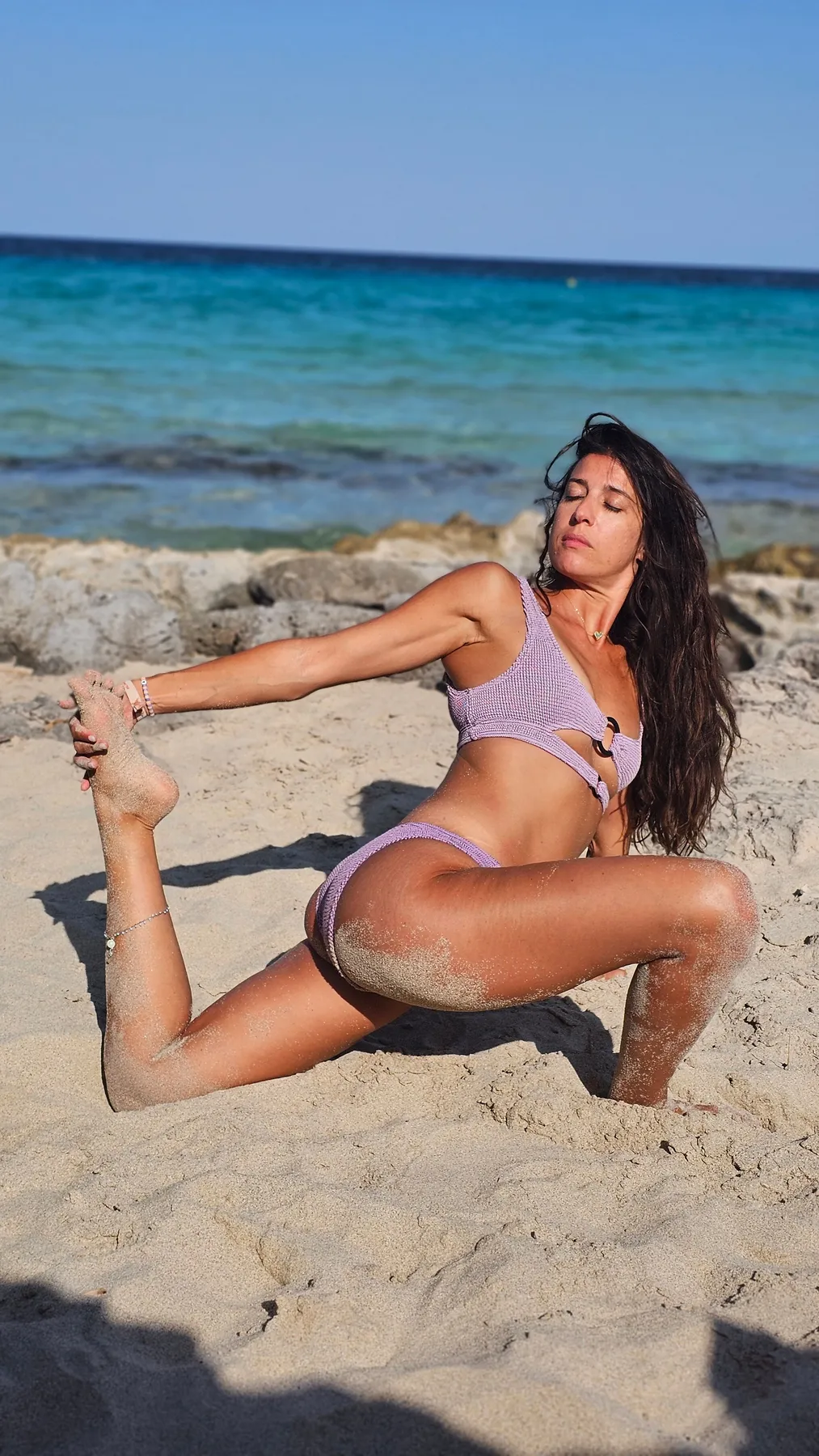
From 40 onwards, many women notice their body changing: less energy, more stiffness, changes in body composition. Strength training is one of the most scientifically supported tools to accompany this stage, and it is never too late to start.
Why strength matters so much after 40
From our thirties onwards we naturally begin to lose muscle mass if we don't stimulate it. In perimenopause and menopause, falling oestrogen speeds up that loss, as well as the loss of bone density. Over the years, the result can be less strength for everyday life, a higher risk of falls and fractures, and a less active metabolism.
Strength training —working the muscles against resistance— is the most direct way to maintain and build muscle mass. The evidence gathered in postmenopausal women shows improvements in strength, physical function, body composition and quality of life.
How much to train: what the guidelines recommend
- Strength: at least 2 days a week, working the major muscle groups (legs, glutes, back, chest, arms and core).
- Aerobic activity: between 150 and 300 minutes a week at moderate intensity (or 75–150 at vigorous intensity).
- Balance and mobility: especially recommended from 65 onwards, but useful long before.
- Less time sitting: every bit of movement counts.
How to start if you have never done strength training
- Learn the basic patterns: squat, hip hinge (deadlift), push, pull, lunge and loaded carry.
- Start with your body weight or light loads, prioritising technique and breathing.
- Choose a load with which you could do 2–3 more repetitions at the end of each set: challenging, but without reaching failure.
- Gradual progression: increase repetitions, sets or weight little by little, week by week.
- Rest: muscles get stronger during recovery. 48 hours between intense sessions for the same muscle group is a good guide.
Three common fears (and what lies behind them)
“I don't want to bulk up”
Gaining a lot of muscle volume takes years of very specific training and a diet geared towards it. What usually happens is that you feel firmer, with better posture and more energy.
“I'm afraid of getting hurt”
Properly dosed and with good technique, strength training is safe and helps to prevent injuries. The key is to progress calmly and to adapt the exercises to your history: back, knees, pelvic floor.
“It's too late for me”
Studies show benefits even in people over 70 and 80. Starting at 40, 50 or 60 is starting in good time.
Strength and the pelvic floor
If you leak urine when you exert yourself or feel heaviness, you don't have to give up strength training: it helps to learn to coordinate your breathing with effort (exhaling as you push or lift), adjust the loads and, if needed, ask for a pelvic floor assessment.
Strength at INNER
In INNER's Strength sessions we train with intention: careful technique, progressive loads and attention to breathing and the pelvic floor. You can do it in a small group or in Personal Training, in Sarrià, Sant Gervasi and Pedralbes (Barcelona) or in an online session.
This content is for general information and does not replace an assessment by a healthcare professional. If you have pain or an injury, are pregnant or have recently given birth, check with your doctor or physiotherapist first.
Frequently asked questions
How many days a week should I do strength training after 40?
The WHO guidelines recommend muscle-strengthening exercises for the major muscle groups at least two days a week, combined with aerobic activity.
Is pilates or weight training better for menopause?
They complement each other. Pilates improves control, mobility and the core; training with progressive loads is the most effective way to stimulate muscle and bone. Ideally, combine them.
Do I need to go to a gym?
No. You can start with your own body weight, resistance bands and a pair of dumbbells, in a studio, at home or in a guided online session.
Does strength training help with hot flushes?
The evidence on hot flushes is limited. Where there is stronger support is for improvements in strength, muscle mass, bone health, mood and sleep quality.
Sources
Would you like to work on this in a session?
Request a session